The simplest way to hit your daily protein target is not to obsess over exact grams of protein, but to build a few repeatable habits into your day. Instead of asking how much protein you need at one meal, think about your daily protein intake spread across simple meals and snacks. A consistent amount of protein per meal, paired with foods you actually enjoy, will support muscle mass, recovery, and appetite control. From there, you can fine-tune your protein goal if you want more muscle gain or fat loss.
Why your daily protein intake matters?
Daily protein intake affects far more than just the gym. Protein is a key nutrient for rebuilding tissues, supporting immune function and helping your body handle everyday exercise and stress. Unlike carbohydrates and fat, your body can’t really store protein in the same way, so a steady amount of protein per day makes a difference over time. Getting enough protein also supports stable blood sugar and insulin levels, which can influence energy, cravings and how satisfied you feel after meals and snacks throughout the day.

Protein for muscle, strength, and recovery
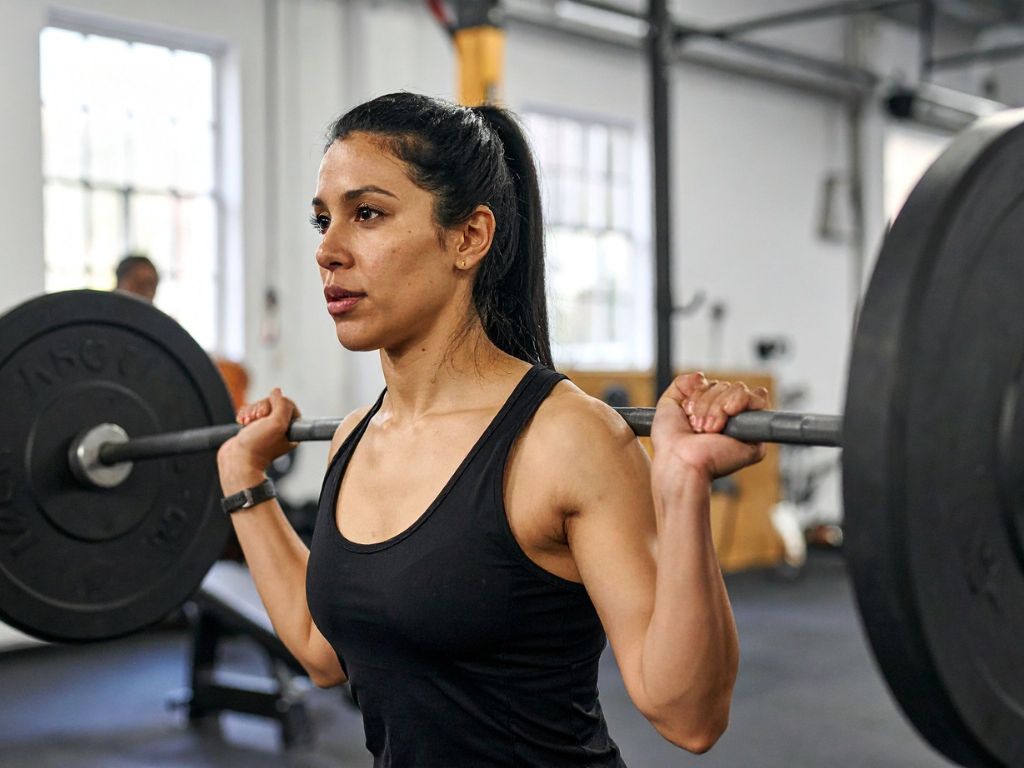
When you strength training regularly, your muscles experience tiny amounts of damage that need to be repaired. Dietary protein provides amino acids, the building blocks your body uses for muscle protein synthesis and long-term muscle growth. A higher protein intake helps you build muscle, maintain muscle and recover better between sessions, especially when grams of protein are spread across the day instead of in one meal. Aim for a reasonable amount of protein per meal that you can repeat, rather than chasing a perfect number after every workout.
How protein intake helps with hunger and fat loss?
Protein intake can quietly help you lose weight by keeping you fuller for longer and reducing the urge to snack on lower-quality foods. Compared with carbohydrates and fat, protein takes more effort for your body to digest and tends to keep hunger in check between meals. A bit of protein in every meal slows down how quickly you digest food and can smooth out blood sugar and insulin levels. Over time, that makes it easier to eat fewer calories without feeling like you’re constantly battling cravings. If you also care about how your muscle and fat change over time, check out our practical guide to changing your body composition.
How much protein do you really need each day?
Most people don’t need to know exactly how many grams of protein per kilogram of body weight they eat to see benefits. A simple starting point is about 0.8 grams of protein per kilogram of body weight per day, but people who lift weights or exercise have higher protein needs. Many active adults do well with around 1.4–2.0 grams of protein per kilogram of body weight per day, depending on goals. If this math feels overwhelming, aim for a decent portion of protein at each meal and adjust if you feel you need more protein.
Signs you might not be getting enough protein
If you’re not getting enough protein, you may notice you feel hungry soon after eating, struggle to build muscle, or find it hard to maintain muscle during a fat-loss phase. A low amount of protein can also mean slower recovery from strength training, more soreness and sometimes brittle nails or weaker hair. Frequent cravings for snacks or sweets can be another subtle sign your meals are low in protein. If these patterns sound familiar, it may be worth checking in with a registered dietitian or experimenting with simply adding extra protein to your diet.
High protein foods you can use at every meal
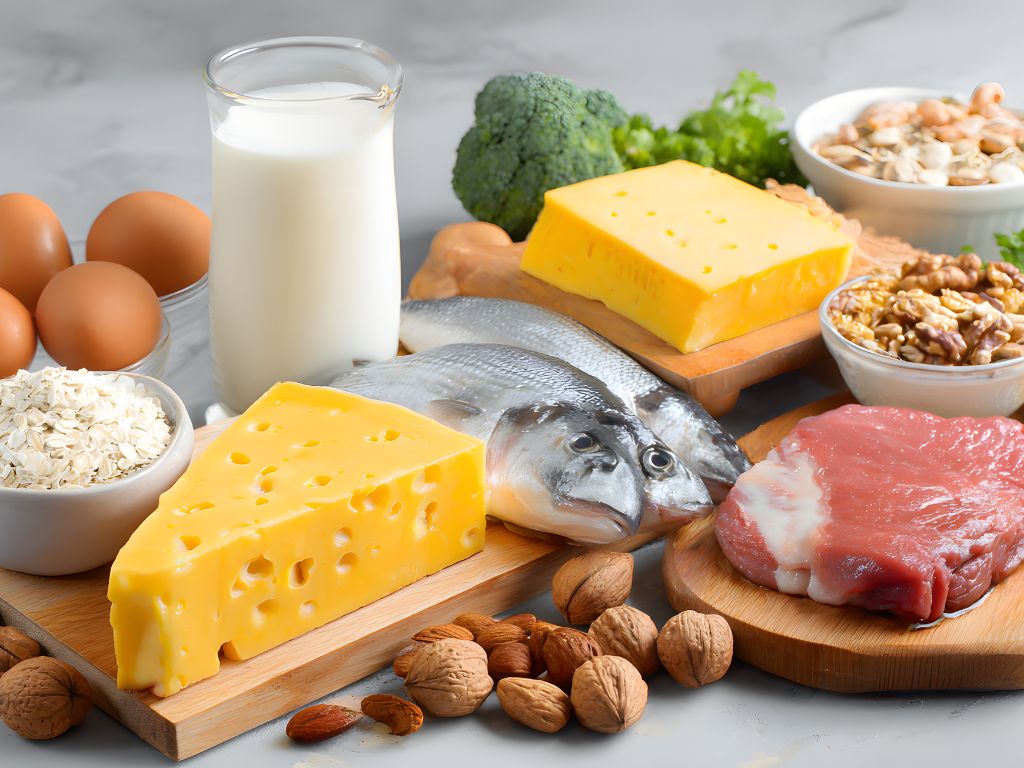
High protein foods don’t have to be complicated or expensive. Simple protein sources like chicken breast, salmon, eggs, Greek yogurt, cottage cheese and lentil dishes can easily boost the protein content of your plate. Many people find it easier to hit their protein target when they pick one lean protein for each meal and build the rest of the dish around it. You can mix animal and plant-based protein foods across the week, choosing complete protein options when possible, and adjusting portions to fit your body weight and activity level.
Easy breakfast meals with eggs, Greek yogurt, cottage cheese
Breakfast can help set the tone for your daily protein intake. Instead of a breakfast with almost no protein, you can build simple meals using eggs, Greek yogurt or cottage cheese as the base. One cup of Greek yogurt or a serving of cottage cheese already gives a lot of protein, especially if you add a cup of skim milk on the side. These options pair well with fruit and whole grains, so you get more than just protein into your diet. Over time, a higher protein breakfast can help you stay full and hit your protein per day without effort.

Quick ways to get more protein on busy days
On busy days, it helps to have easy ways to boost the protein into your diet without cooking from scratch. Keeping a basic whey protein powder or another protein powder at home makes it simple to blend a fast protein shake when you’re short on time. Ready-to-drink protein drinks, a simple protein bar, or leftovers from last night’s chicken breast can all be a convenient protein option. These small additions can help you hit your protein, support your daily total and make getting enough protein feel realistic even with a hectic schedule.