
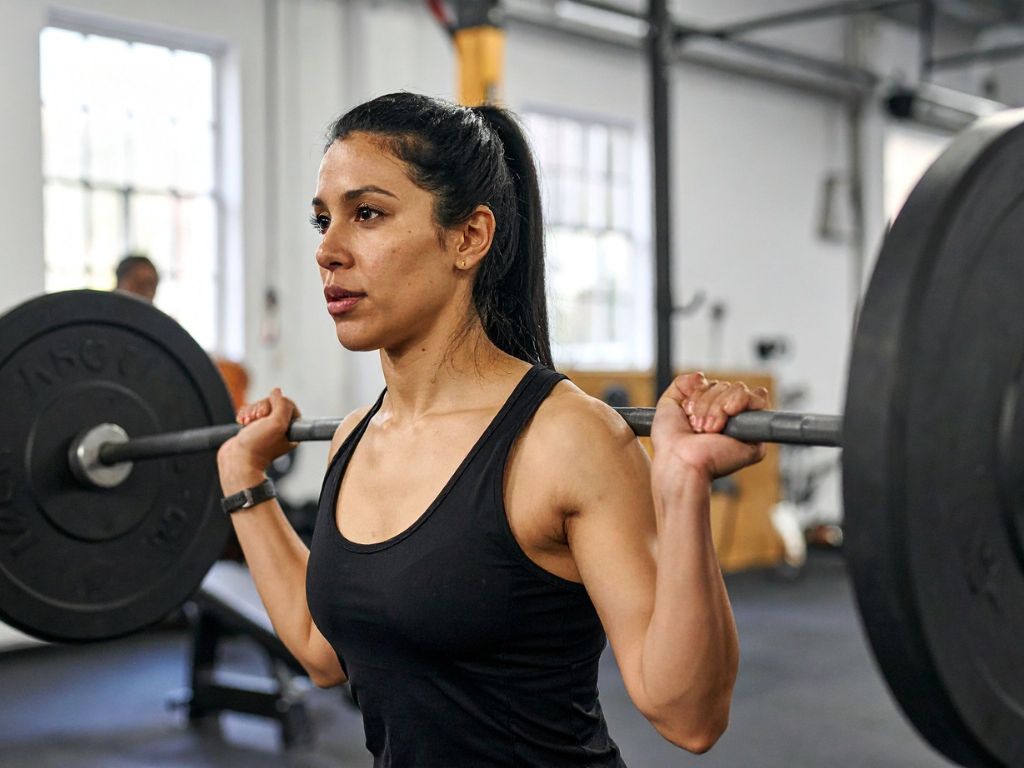
How to build strength without stalling? Many people blame their genetics or their routine, but most stalls come from doing too much, too soon, or repeating the same weight without a clear plan. This guide explains a simple strength training approach that keeps progress steady. You will learn how to manage weight, reps, and recovery so you can get stronger while still supporting muscle growth. It is a practical training program you can follow with confidence, even when motivation is not perfect.
Who this plan is for?
This plan is for anyone who trains consistently and wants a simple way to build strength without burning out. It fits a wide range of fitness level, from people new to strength training to intermediate lifters who hit a plateau and need structure. It is especially useful if you lift weights with free weights and want a clear focus for one major muscle group each session. If you get hurt easily, deal with persistent joint pain, or suspect overuse issues, check with sports medicine guidance first. The plan assumes you can recover well and train with patience, not ego.

How to increase your training?
Progress comes from progressive overload, but it must be controlled. Choose a starting weight that lets you keep correct form and repeat quality work. Use a target rep range and add a rep or two before you increase the weight. Most weeks should finish with reps short of failure, not grinding. Save train to failure for small accessories only, and avoid training close to failure on your main lift. Track training volume and respect rest periods so fatigue does not pile up. If you rush, you may overtrain, create training plateaus, and lose time to recover. Small steps add up.
8-week squat-focused strength training plan
This eight week plan is built around the squat and a steady increase in difficulty across strength training sessions. You will train for strength while still using enough hypertrophy work to support muscle mass and strength and size. The main lift uses a barbell, while accessories can include types of resistance like machines or bands if needed. Keep the exercise routine simple so you can focus on the weight lifted and the number of repetitions that matter most. This style of resistance training supports muscle strength and strength and power, which can improve athletic performance without turning every workout into a test.

Technique, training intensity baseline, and starting weight
Start by dialing in form and technique, because clean movement lets you progress longer. Pick a starting weight you can control for three sets without rushing or wobbling. Each repetition should look the same, with steady breathing and tight bracing. If your depth changes or your torso shifts, lower the weight and rebuild. Use a consistent warm up and keep accessories light, such as pullups or rows. The goal is to practice the squat skill and establish reliable reps, not to prove you are strong as possible on day one.
Add reps to get stronger (same weight, better control)
Keep the same weight and add reps across your work sets, aiming for smoother movement and better control. This is a safe way to get stronger while accumulating quality practice. Focus on even tempo and stable positions so you feel the quadriceps working through the full range. You can also add a small amount of time under tension by pausing briefly at the bottom, as long as technique stays solid. Do not chase fatigue for its own sake. Your goal is consistent muscle growth signals without wrecking recovery time. This phase also supports muscle gain without needing heavier weights yet.
Hypertrophy week is to build muscle with higher volume
This week uses more volume to build muscle and support future strength. Keep the main lift at a moderate weight and add sets or reps so the total work is higher. Hypertrophy work should feel challenging but repeatable, not like a max strength attempt. Think like a bodybuilder for a week and focus on the target muscle group doing the work, not just moving the load. Choose accessories that help maximize muscle across your legs and back. If you want to build more muscle mass, keep nutrition steady and avoid turning every set into a contest.
Deload, reduce training intensity and recover
A deload is a planned decrease so your body weight, joints, and nervous system can catch up. Reduce the weight and reduce total reps, while keeping the same movement patterns. You should leave the gym feeling better than when you arrived. Use this week to improve sleep, manage stress, and give your body time to recover. Light accessories like pushups can keep blood flow without adding much fatigue. Deloading protects you from overuse and helps you avoid the feeling that you might get hurt on every heavy day. It also sets up better performance in the next block.
Rebuild strength with heavier weight, crisp reps
After the deload, rebuild gradually. Start slightly lighter than your best recent session and climb back up. Focus on crisp reps with tight positions and strong drive out of the bottom. This is a great time to add a little upper body work, like bench press, but keep it secondary to the main lift. Your goal is to restore confidence and build momentum. If you feel a rep turning into a grind, stop the set and save energy for the next session. This phase helps you gain muscle and strength together without chasing exhaustion.
Maximal strength block with low reps, higher training intensity
This block targets maximal strength with low reps and longer rest periods. Each set should feel heavy, but you should still be able to repeat the load with solid technique. Avoid rushing. Heavy training rewards focus and patience. Keep accessories minimal so fatigue does not steal performance from your main work. The goal is not to be strong as possible every day, it is to build the ability to handle heavier weight safely and consistently. If you try to force progress too fast, you will stall again. Done well, this phase is where you learn how to get as strong as your current base allows.
Test week is to gain strength with rep PRs (not true 1RM)
Testing does not need a risky one repetition maximum. Use a top set where you aim for a rep personal record with clean execution. Pick a weight you can handle confidently and try to add one more rep than before. This shows real progress and lowers the risk of mistakes. After the top set, do a few back off sets at a lighter weight to reinforce technique. Review your notes and decide what to repeat in the next cycle. This is also a good time to check how the plan affects muscle and energy, especially if you are also aiming for fat loss.